


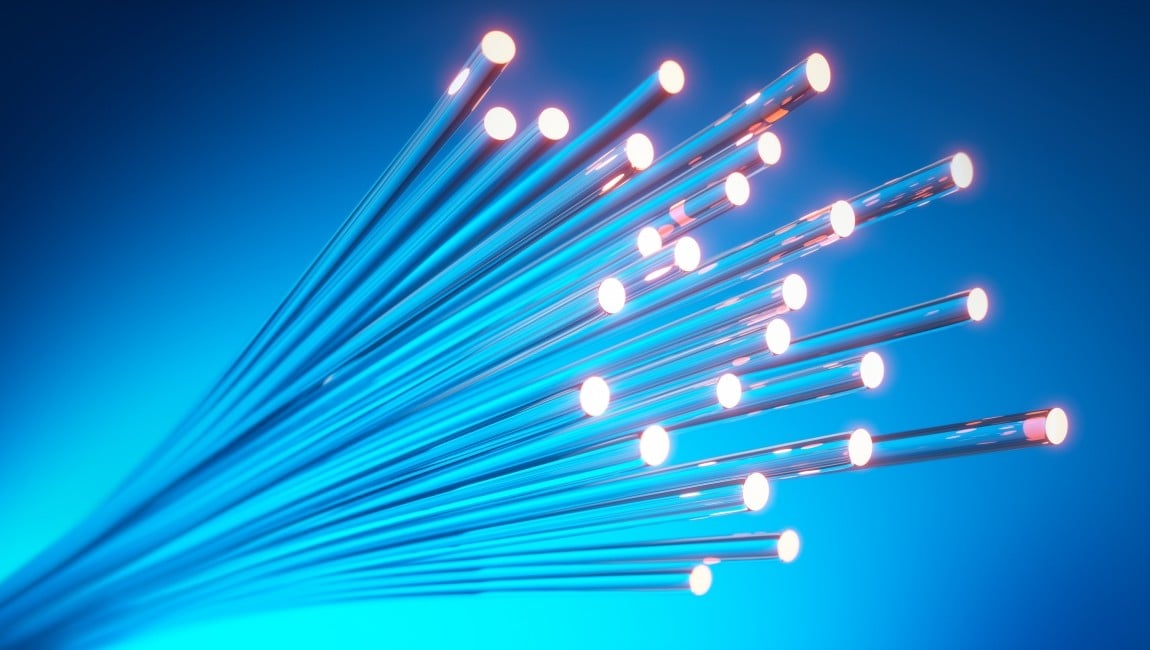
Industrial Fiber Optic Cable: Applications and Advantages
Learn how industrial fiber optic cables perform in harsh environments. Explore applications, advantages, and solutions for distributors.
Manufacturing plants, oil refineries, and heavy industrial sites push communication infrastructure to its limits. Standard fiber optic cables buckle under extreme temperatures, chemical exposure, and mechanical stress. Industrial fiber optic cables solve these challenges through ruggedized construction and specialized materials designed for harsh conditions.
These cables enable real-time data transmission in demanding environments that exceed copper’s capabilities. They resist electromagnetic interference from heavy machinery and maintain signal integrity across vast distances. For distributors, the industrial segment represents a growing market driven by automation, Industry 4.0 initiatives, and infrastructure modernization. Selling these specialized products successfully depends on technical expertise, effective inventory management, and strategic partnerships with proven manufacturers.
Fiber Optics in Industrial Environments
Industrial settings present unique obstacles for data transmission. Factory floors generate electromagnetic interference from motors, welders, and high-voltage equipment. Chemical plants expose cables to corrosive substances. Mining operations subject infrastructure to crushing forces and abrasive materials. Temperature fluctuations swing from sub-zero cold storage facilities to the intense heat of steel mills.
Standard office-grade fiber cables are not designed to withstand these conditions. Their protective jackets degrade when exposed to oils and solvents. UV radiation in outdoor installations causes premature aging. Rodents chew through inadequate outer layers. Moisture penetration leads to signal degradation and eventual failure. Water with salt or other contaminants can overcome standard dry water-blocking materials.
Industrial fiber optic cables address these challenges through enhanced design. Aramid yarn strength members resist pulling forces during installation and operation. Multiple jacket layers provide protection against chemicals, abrasion, and extreme temperatures. Armored constructions protect against crush hazards and rodent damage. Gel-filled tubes prevent water ingress in underground or wet environments with contaminated water.
The shift toward smart manufacturing amplifies the importance of reliable industrial fiber networks. Automated production lines depend on constant communication between sensors, controllers, and monitoring systems. Downtime from cable failure translates directly into lost production and revenue. Industrial environments demand infrastructure that performs consistently under stress.
What Is an Industrial Fiber Optic Cable?
An industrial fiber optic cable combines standard optical fiber with ruggedized protective components designed for demanding conditions. The core optical fiber remains similar to commercial-grade products, but the surrounding construction elements differ significantly.
The basic structure includes optical fibers housed within buffer tubes. These tubes contain gel or other filling compounds that cushion the fibers and block moisture. Strength members made from aramid fibers or fiberglass rods provide tensile strength and prevent stretching during installation. The inner jacket protects against moisture and provides the first layer of mechanical defense.
Armoring distinguishes industrial cables from their commercial counterparts. Corrugated steel tape, interlocking aluminum, or braided stainless steel creates a protective barrier against crushing, cutting, and rodent attacks. In many applications, the armor allows direct burial without conduit. Outer jackets made from polyethylene, polyurethane, or specialized compounds resist chemicals, UV radiation, and temperature extremes.
Different jacket materials suit different environments. Polyethylene works well for outdoor and buried applications. Polyurethane offers superior flexibility and abrasion resistance for applications involving frequent movement. Low-smoke zero-halogen (LSZH) compounds meet fire safety standards for indoor industrial installations. Material selection depends on the specific hazards present in the deployment environment.
Advantages of Industrial Fiber Optic Cables
Immunity to Electromagnetic Interference
Optical fiber transmits data as light pulses rather than electrical signals. Heavy machinery, motors, and power lines generate electromagnetic fields that disrupt copper cables but have no effect on fiber optic transmission. Manufacturing facilities can route fiber cables directly alongside power lines without shielding or separation distances. Signal quality remains consistent regardless of electromagnetic noise levels.
Extended Distance Capability
Copper cables experience signal degradation over distance, limiting effective runs to 100 meters for most Ethernet applications. Single-mode fiber optic cables transmit data reliably across distances exceeding 40 kilometers without repeaters. Fiber infrastructure easily connects large industrial campuses and remote monitoring stations. The extended reach reduces the need for intermediate active equipment and associated maintenance.
Higher Bandwidth Capacity
Industrial operations generate increasing amounts of data through sensors, cameras, and monitoring systems. Fiber optic cables support bandwidth far exceeding copper alternatives. A single fiber strand can handle multiple high-definition video feeds, sensor networks, and control systems simultaneously. Future bandwidth needs are met without replacing cabling infrastructure as operations expand and data demands grow.
Enhanced Durability and Lifespan
Properly installed industrial fiber optic cables operate reliably for 25 years or more. The glass fiber itself does not degrade over time. Protective armoring and specialized jackets shield the fiber from environmental damage. Copper cables oxidize, corrode, and deteriorate under industrial conditions. Fiber’s longer lifespan reduces replacement costs and minimizes disruptive infrastructure upgrades.
Safety in Hazardous Environments
Fiber optic cables carry no electrical current, eliminating spark risks in explosive atmospheres. Chemical plants, refineries, and grain handling facilities benefit from intrinsically safe communication infrastructure. All-dielectric fiber cables do not conduct lightning strikes or power surges, protecting connected equipment. The non-conductive nature provides an additional safety margin in high-voltage environments.
Key Applications for Industrial Fiber Optics
Power Generation and Utilities
Electric utilities use fiber optic networks to enable smart grid technologies that monitor power flow, detect faults, and optimize distribution. Substations connect protective relays, SCADA systems, and monitoring equipment through fiber without the risk of ground loops that plague copper alternatives. Renewable energy installations rely on fiber to aggregate data from distributed generation sources across solar farms and wind parks.
The immunity to electromagnetic interference is essential in environments saturated with high-voltage equipment. Cables withstand outdoor exposure to UV radiation and temperature swings while maintaining signal integrity across vast distances.
Factory Automation and Smart Manufacturing
Modern production lines integrate sensors, programmable logic controllers, and robotic systems through high-speed networks. Industrial fiber optics enable real-time communication between distributed control systems and field devices. Machine vision systems transmit high-resolution video feeds for quality inspection. Predictive maintenance systems monitor equipment condition through continuous data collection. Reliable fiber infrastructure supports zero-downtime manufacturing goals.
Oil and Gas Operations
Refineries and petrochemical facilities span large areas with hazardous zones where spark prevention is critical. Fiber optic networks connect control rooms to remote wellheads, pumping stations, and processing units. Distributed acoustic sensing systems monitor pipeline integrity across hundreds of kilometers. Subsea installations use specialized armored cables rated for extreme pressure and saltwater exposure.
Transportation Infrastructure
Railway systems depend on fiber optics for train control, passenger information, and security monitoring. Trackside cables withstand vibration, weather extremes, and electromagnetic interference from overhead power lines. Traffic management systems use fiber networks to coordinate signals and monitor conditions. Airport operations connect terminals, control towers, and ground equipment through resilient fiber infrastructure. The cables survive constant mechanical stress from vehicle traffic and environmental exposure. Many installations also face chemical exposure from de-icing operations.
Mining and Heavy Industry
Underground mining operations present extreme challenges for communication infrastructure. Armored fiber optic cables resist impact, abrasion, and crushing forces from mobile equipment. Steel mills expose cables to extreme heat, molten metal splash, and heavy vibration. Port facilities demand cables that withstand salt spray, UV exposure, and constant flexing. Industrial fiber solutions maintain connectivity in the harshest operating conditions.
Compliance and Safety Considerations
Industrial installations must meet safety codes and industry standards. National Electrical Code (NEC) articles define acceptable cable types for specific environments. Listings from Underwriters Laboratories (UL) and other third-party labs verify flame resistance and material properties. International standards like IEC 60794 establish testing protocols for mechanical and environmental performance.
Hazardous location certifications ensure cables suit explosive atmospheres. Class I, Division 1 areas in refineries demand cables that cannot ignite flammable gases. Intrinsically safe designs prevent energy release under fault conditions. Documentation and traceability demonstrate compliance during inspections and audits.
Fire safety standards vary by jurisdiction and building type. Plenum-rated cables meet stringent requirements for smoke generation and flame spread in air handling spaces. Low-smoke zero-halogen cables limit toxic gas release during fires. Indoor industrial installations often specify these materials to protect personnel and critical equipment. Distributors must stock appropriate cable types for different compliance scenarios.
Environmental ratings indicate the conditions cables can withstand. Temperature ratings from -40°C to +85°C suit outdoor installations in extreme climates. Chemical resistance ratings specify compatibility with specific substances. UV resistance ratings predict outdoor lifespan. Matching cable specifications to actual installation conditions prevents premature failures and warranty claims.
Market Trends Driving Demand for Industrial Fiber Optic Cables
The North American fiber optic market continues to expand, reaching $2.58 billion in 2023. Federal infrastructure programs provide significant momentum, with the Infrastructure Investment and Jobs Act directing $65 billion toward broadband expansion to reach 14 million underserved households. Canada is investing $3.225 billion through its Universal Broadband Fund, targeting 98% connectivity by 2026, up from 93.5%.
Manufacturing digitization accelerates fiber adoption across industrial sectors. Industry 4.0 initiatives integrate sensors, artificial intelligence, and cloud connectivity into production systems. Smart factories generate data volumes that exceed copper networks’ capabilities, prompting companies to invest in fiber infrastructure for digital transformation.
The explosive growth of data infrastructure drives fiber demand. Power consumption at North American data centers jumped more than half year over year, reaching 7.4 gigawatts in 2023. Operators added over 800 megawatts of new capacity in early 2024, a quarter more than the previous year's pace. Next-generation 5G networks enable wireless speeds approaching 100 times previous technology, yet depend entirely on fiber backhaul to deliver that performance. Private industrial 5G networks for manufacturing and logistics create additional demand for ruggedized fiber solutions.
Prysmian: The Top Manufacturer of Fiber Optic Solutions
Global leadership in cable manufacturing means decades of experience solving real-world challenges. Prysmian has developed industrial fiber optic solutions that perform reliably in the most demanding environments imaginable. Our industrial fiber optic cable products combine proven optical performance with ruggedized construction engineered for industrial applications.
Our portfolio includes a comprehensive range of fiber counts, armoring options, and jacket materials to match specific installation conditions. We manufacture cables for direct burial, aerial installation, and indoor/outdoor transitions. Products meet stringent industry certifications, including UL listings and hazardous location approvals. Rigorous testing validates mechanical strength, environmental resistance, and long-term reliability.
Distributors partnering with us gain access to technical support, specification assistance, and reliable supply chains. We understand the challenges of balancing inventory investment with customer demand for quick delivery. Our manufacturing capacity and logistics network support distributor success in growing industrial markets.
Contact our team of fiber optic cable experts to learn more about industrial fiber optic solutions for your market. We'll help you identify the right products, understand technical specifications, and develop inventory strategies that position your business for growth in the industrial sector.
Media relations

Lauren Kane
External Communications Manager, North America
- phone+1 859.572.8825
- email[email protected]
Media relations

Anna Wright
Vice President of Marketing & Communications, North America
- phone+1 859.572.8793
- email[email protected]